



The Role of Digital Platforms in Modern Logistics Operations
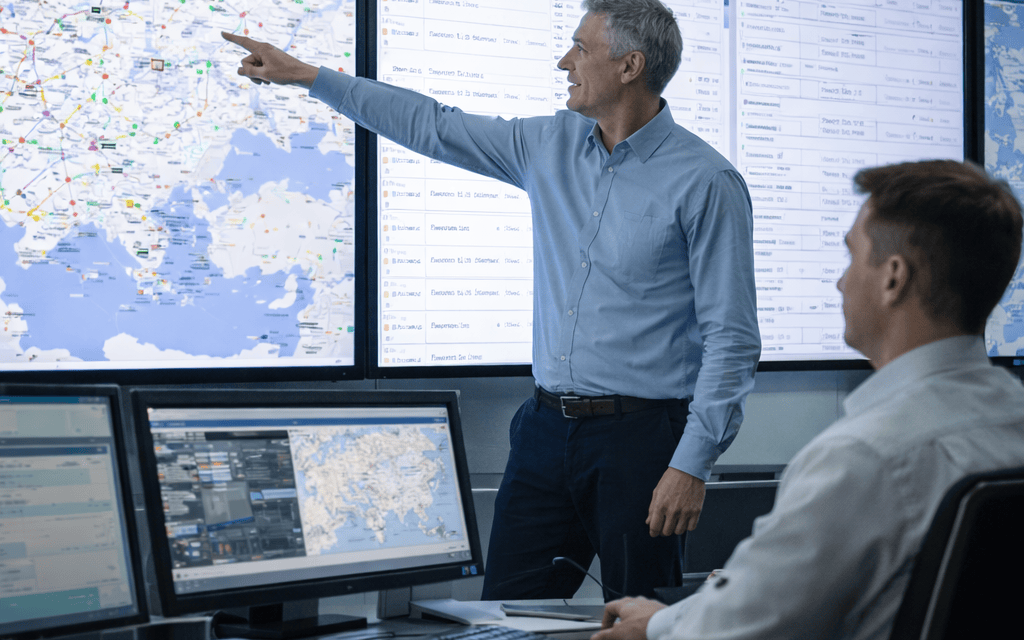
Over the past decade, freight logistics has become significantly more complex. Shipments increasingly move through multiple carriers, regulatory environments and border procedures before reaching their final destination. As supply chains expand across regions, maintaining operational clarity has become just as important as moving cargo itself.
Traditionally, freight coordination relied heavily on emails, spreadsheets and phone calls between logistics teams, carriers and clients. While this approach can still function in smaller operations, it quickly becomes difficult to manage when shipments move across multiple countries and operational actors.
Digital logistics platforms are gradually transforming how these operations are coordinated. Instead of fragmented communication across separate channels, shipment planning, documentation management and transport tracking can be organized within structured digital environments.
One of the most significant outcomes of this transformation is improved operational visibility. When shipment data is centralized and accessible, logistics teams are able to monitor transport progress more efficiently while clients gain clearer insight into the movement of their cargo.
At MovIQ Logistics, digital coordination plays an important role in the daily management of freight flows across European transport corridors. Structured platform environments allow shipment planning, operational coordination, documentation and tracking to remain connected throughout the transport lifecycle.
This becomes particularly relevant when managing freight movements across Central Europe, the Balkans, Türkiye and CIS markets, where cross-border coordination and documentation processes can quickly become complex.
In these environments, structured digital workflows help reduce communication gaps, support operational continuity and create a clearer overview of transport progress for both operators and clients.
As international freight networks continue to expand, the integration of operational logistics expertise with structured digital coordination tools is increasingly becoming a defining characteristic of modern logistics operations.